Lucia di lammermoor
Gaetano Donizetti
Staatstheater Nürnberg
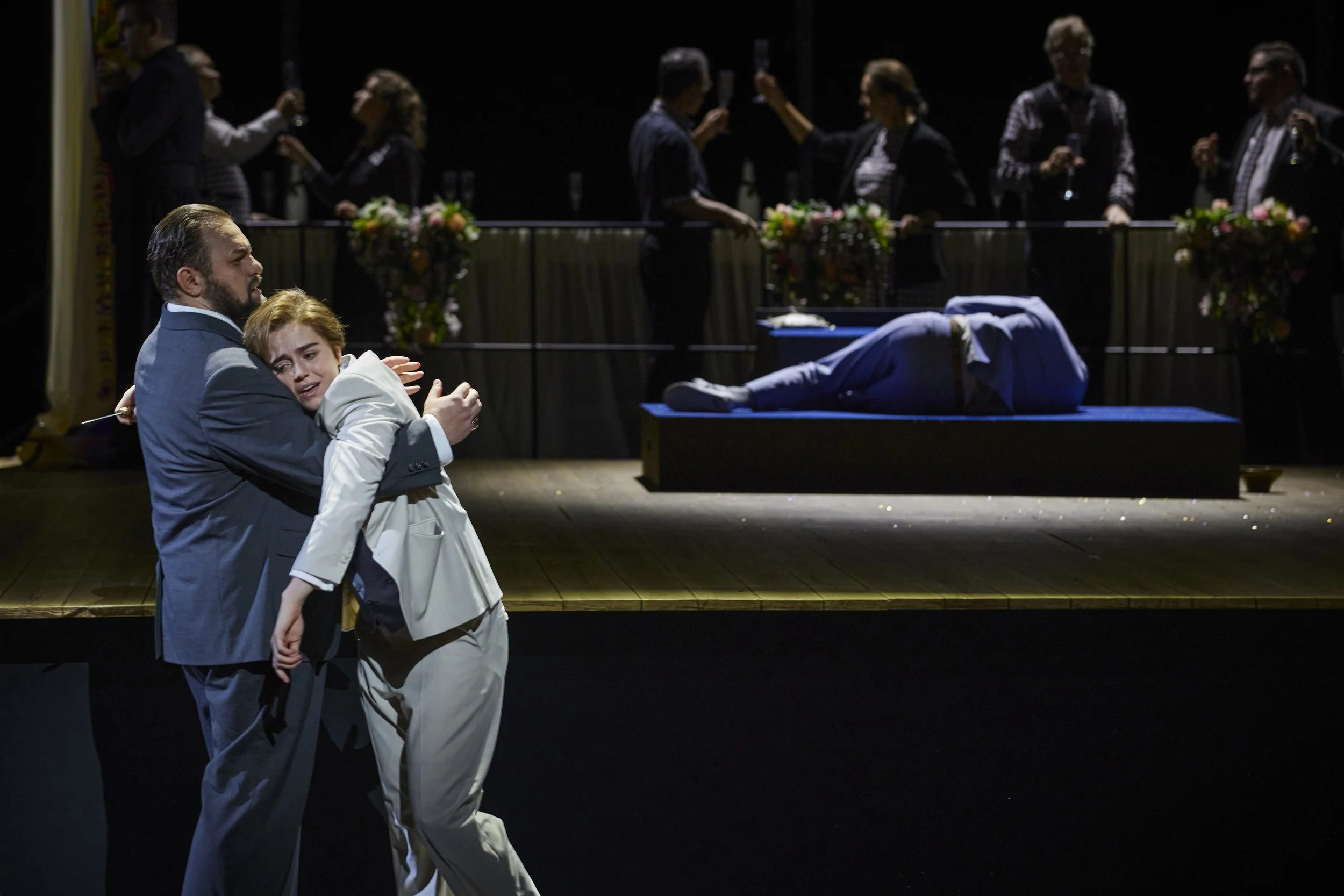
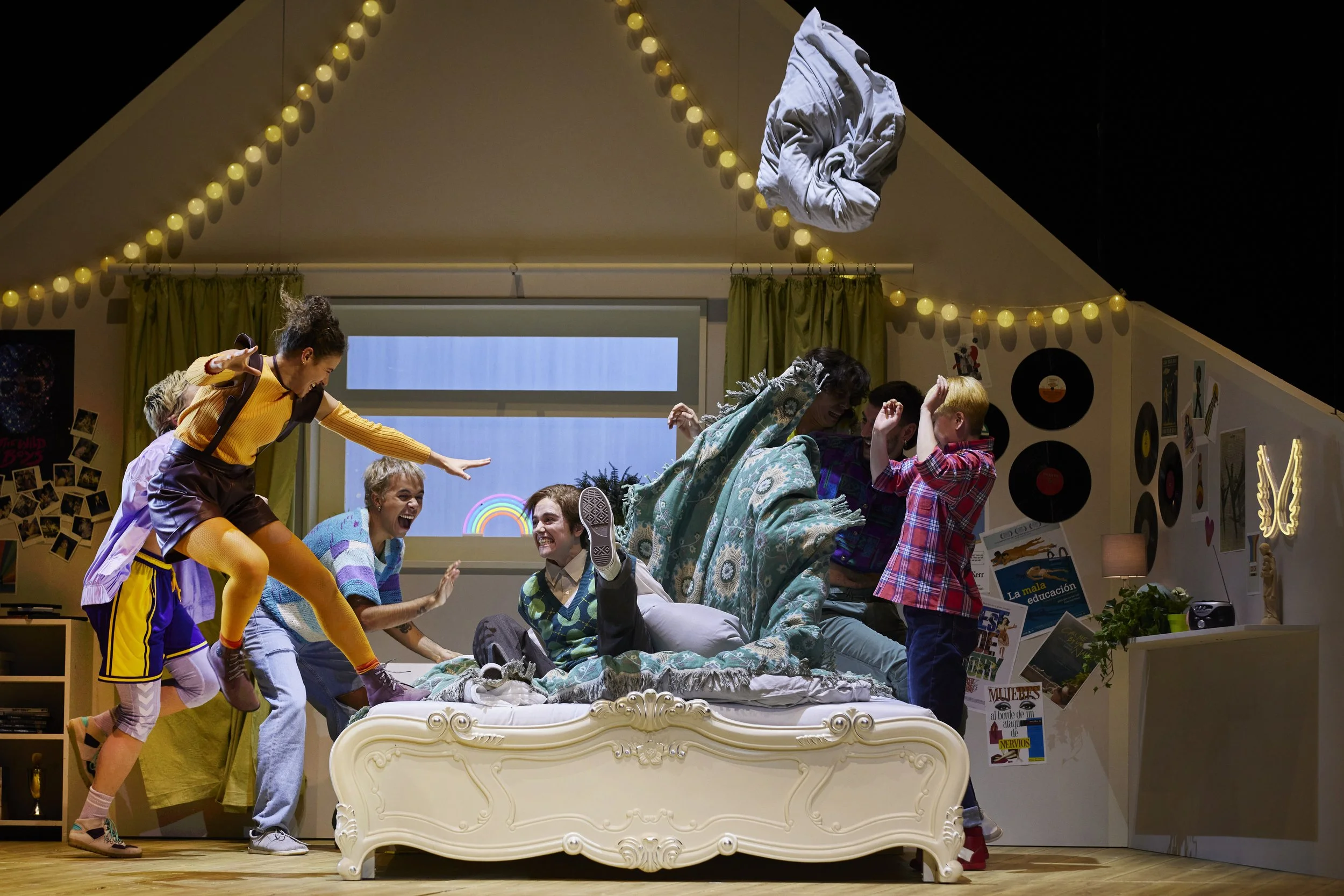
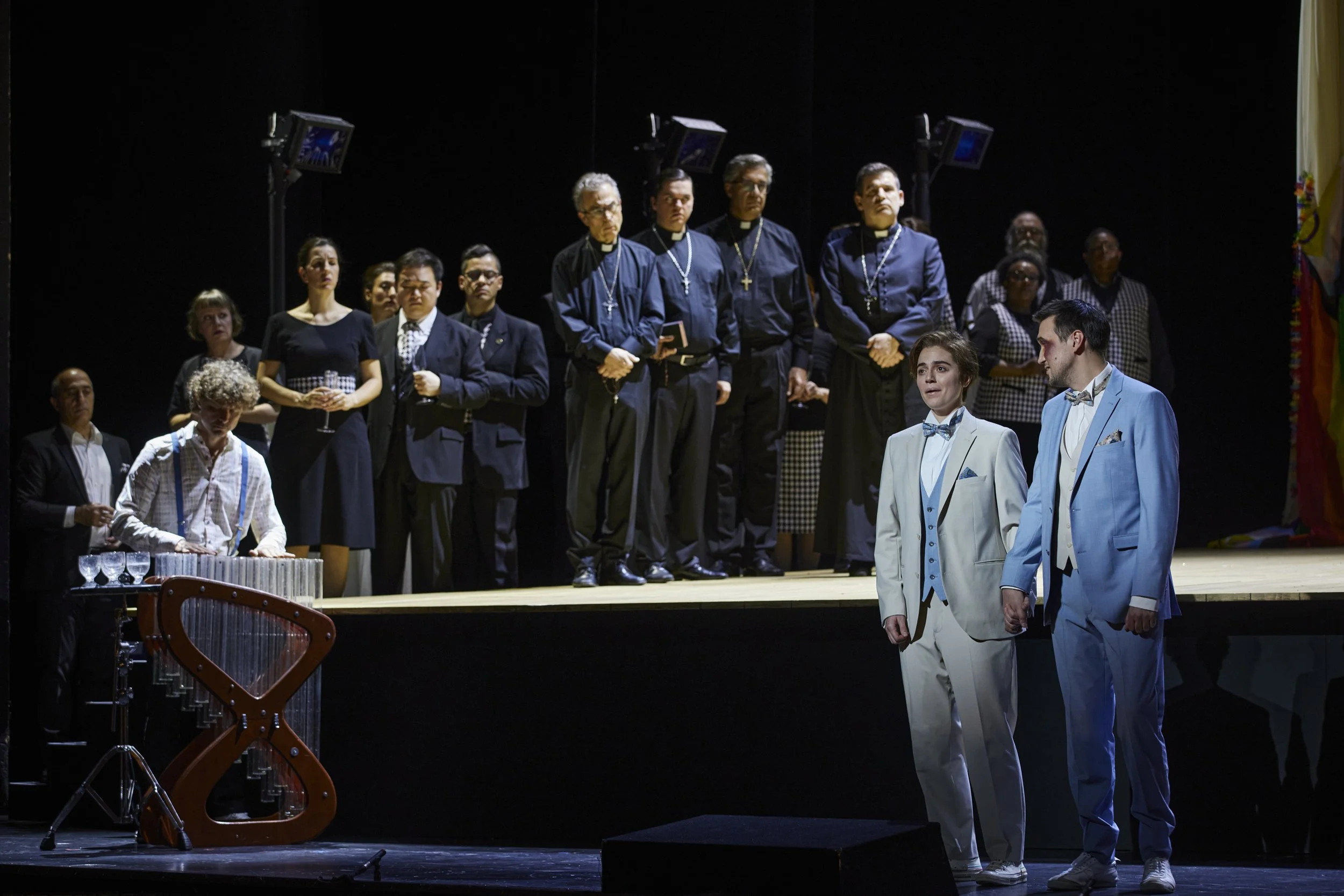
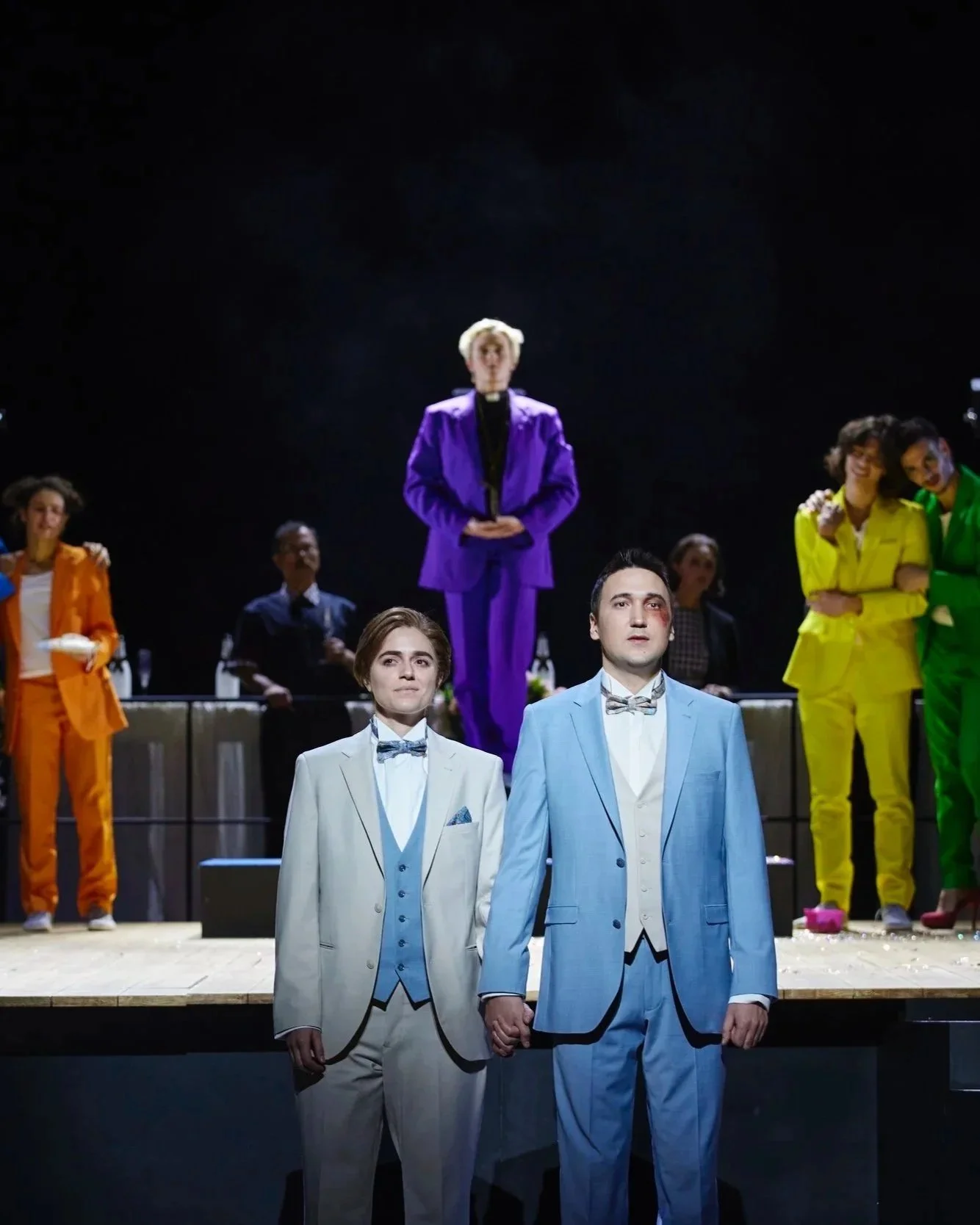
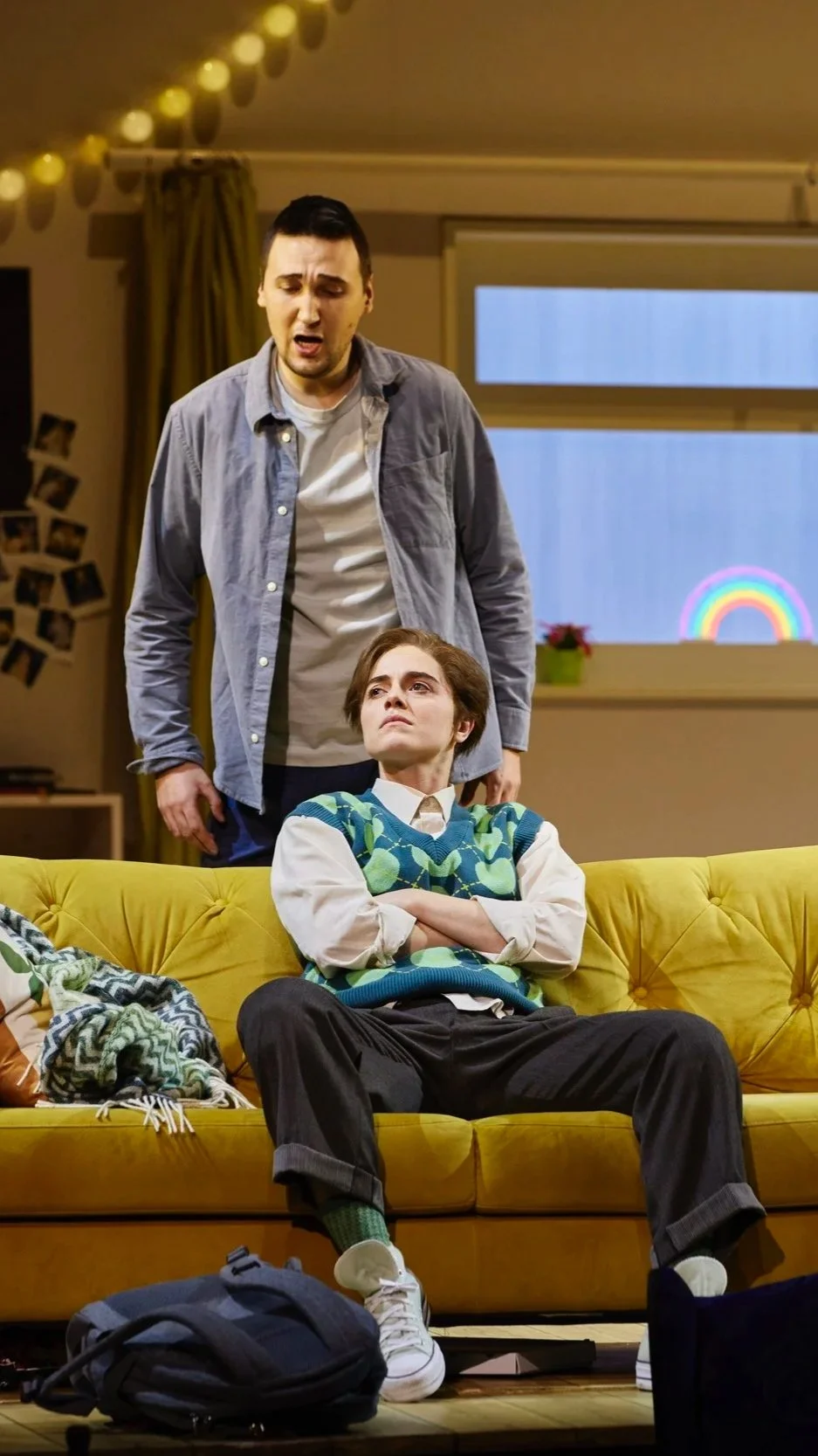
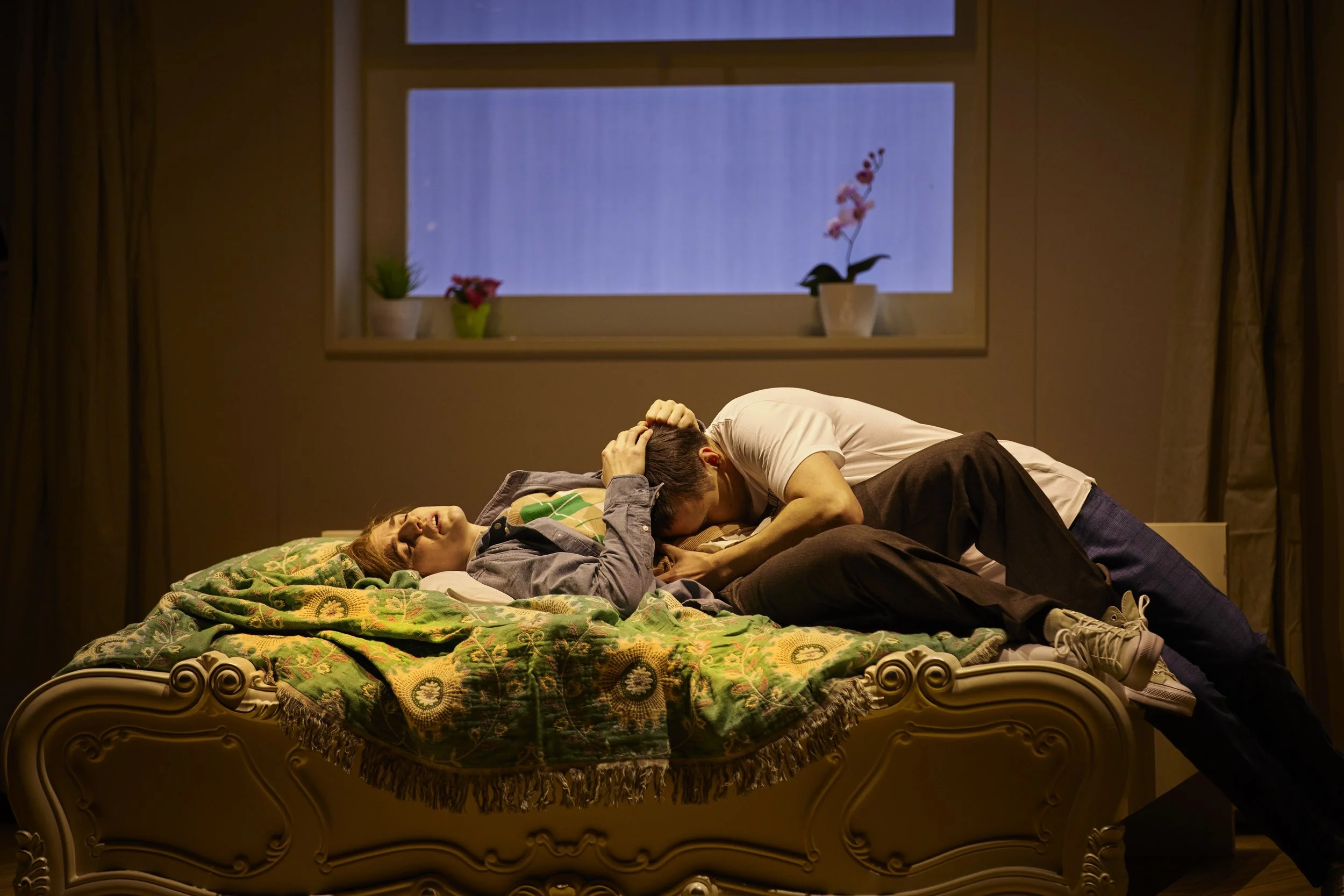
„It is astonishing and coherent how bel canto is brought into the present times here. (...) The fact that nothing ever seems contrived or merely conceptually alienated is due to the high theatrical quality and immense intensity of the evening. Ilaria Lanzino works meticulously, yet nothing is merely choreographed. Every scene develops completely naturally, every gesture, every look, every detail is spot on. (...) This 'Lucia di Lammermoor' has the potential to become a cult performance – the ovations at the end tell us, and even more so the cough-free silence before them.”
Die Opernwelt
"Unusual and captivating. (...) Impressive how well this concept suits Donizetti, how perfectly it is executed, how intense the otherwise absurd romance becomes. Even the quarter-hour death scene at the end, which almost always seems unintentionally comical, is handled deftly by Ilaria Lanzino. Overall, a thoroughly dusted-off, vividly brought to life Donizetti, fully in tune with our contemporary societal debate”
Bayerischer Rundfunk
"A compelling production. All emotional force fields, all character relationships remain intact. The piece is never distorted or awkwardly forced. What we witness is a true modern intensification of Donizetti's opera. This is also due to the high theatrical quality of the performance. (...) Ilaria Lanzino must have done immense motivational work with the cast, as they are entirely convincing. This is one of those productions that gives the impression it runs by itself because everyone knows the well-being of their characters, which gestures and looks are required. Moreover, director Ilaria Lanzino consistently places satirical and fine comedic elements, (...) making the dramatic stakes even higher. (...) Phenomenal.”
Münchner Merkur - Markus Thiel
"Ilaria Lanzino directs with 'Tatort' precision, clear and plausible. Loud applause.”
Neue Musik Zeitung
"Sad, touching, heartbreaking”
Orpheus Magazine
„Lucia di Lammermoor” becomes gay: director ventures an original version of the operatic classic in Nuremberg (…) But Italian director Ilaria Lanzino is not interested in the Scottish Gothic romance inspired by Scott’s successful novel The Bride of Lammermoor. Instead, Lanzino asks why the title character loses their mind and becomes a murderer. Her answer changes the work at a crucial point: she transforms the Scottish noblewoman Lucia into the young man Luca, creating a trouser role for soprano Andromahi Raptis. (…) When following the libretto through the surtitles shown in the opera house, one is struck by how closely the original language—used to denigrate and even condemn the love between Lucia and Arturo—resembles today’s rhetoric employed by opponents of queer ways of life and of the LGBTQ* community. In this atmosphere of malice and incitement, Luca and Edgardo are denied any private life, any intimate refuge. Ilaria Lanzino convincingly sketches the portrait of a society determined to suffocate everything it perceives as foreign and therefore threatening. (…) This scenic sensitivity finds its counterpart in the music. (…) Overall, this Lucia di Lammermoor, greeted almost unanimously with applause (with only a very few boos directed at the staging), succeeds in offering a thoroughly contemporary—and, in its portrayal of the tragedy of suppressed ways of life, sadly timeless—perspective on a repertoire classic.“
Nürnberger Nachrichten
„“Ilaria Lanzino has, with admirable inner consistency, removed Donizetti’s opera from the realm of romantic Gothic balladry and found a way to shift the underlying ideas of femininity and madness away from hysteria toward a contemporary psychological portrait of a stigmatized relationship—without doing violence to the material. (…) As Lanzino says in the program booklet, ‘my own experience, as well as that of many people I have personally encountered or researched, flows into my work.’ This is palpable in the carefully developed scenes and elevates this Lucia experiment above the many imposed psychiatry and madhouse scenarios that Donizetti’s opera has had to endure over recent decades. In Nuremberg, Ilaria Lanzino has brought to the stage a daring, deeply reflective production that, despite all interventions, treats the work with respect and radically situates Donizetti’s master opera within the horizon of current social debates. Shaped in this way, the bel canto opera does not feel out of time; rather, by freeing it from the corset of its era, it reveals a relevance beyond beautiful sound. Lanzino appears to have proceeded similarly in Poznań: for her production of Stanisław Moniuszko’s operatic fragment Jawnuta, she received the International Opera Award in the Rediscovered Work category on November 9.”
Online Merker
„Finally a director who dares“
Magazin Studierende Fau
Stage director: Ilaria Lanzino
Stage and costume design: Emine Güner
Fotos: Ludwig Olah